
This article may contain commentary
which reflects the author’s opinion.
A federal judge on Tuesday temporarily blocked President Donald Trump’s administration from ending deportation protections for about 200 South Sudanese nationals while a legal challenge proceeds.
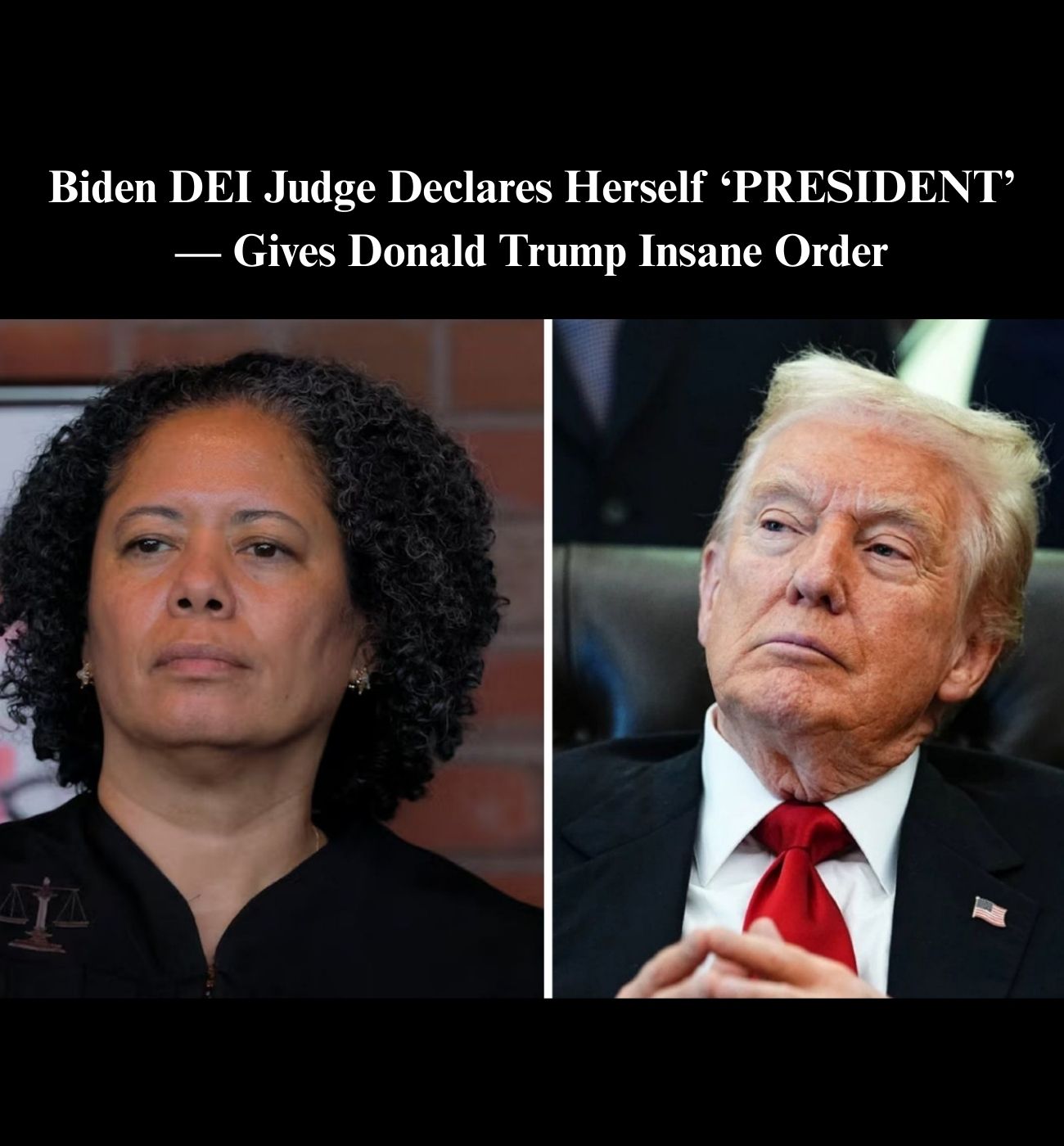
U.S. District Judge Angel Kelley, a Biden appointee, said the order does not address the underlying merits of the case but is intended to preserve the status quo.
As such, it allows the migrants to remain in the United States until the court can more fully consider the arguments, The Hill reported.
“Because of the serious consequences at stake, both for the Plaintiffs and the Defendants, the Court finds an administrative stay appropriate, as it would ‘minimize harm,’ while allowing the assigned District Court Judge the time this case deserves,” Kelley wrote in her four-page ruling.
The judge said she will issue a new ruling after reviewing written briefs from the parties, which are due by Jan. 13.
Temporary Protected Status allows nationals of designated countries to remain in the United States and obtain work authorization when conditions such as armed conflict, environmental disasters, or other extraordinary circumstances make return unsafe.
South Sudan was first designated for TPS in 2011 after gaining independence. The country has since faced ongoing instability and violence, and the U.S. State Department currently advises Americans to avoid travel there.
Court filings indicate that approximately 232 South Sudanese nationals are currently covered by TPS, The Hill noted further.
🚨 JUST NOW: Biden DEI Judge Angel Kelley declares herself PRESIDENT, ORDERS President Trump to keep South Sudanese migrants in America by extending their Temporary Protected Status
THIS IS WHAT A COUP LOOKS LIKE.
We need to follow El Salvador President Nayib Bukele’s lead:… pic.twitter.com/0bEstc7PW4
— Eric Daugherty (@EricLDaugh) December 30, 2025
President Trump’s second administration has moved to scale back the Temporary Protected Status program by ending TPS designations for several countries. Legal challenges remain pending over changes affecting Afghanistan, Cameroon, Haiti, Honduras, Myanmar, Nepal, Nicaragua, Syria, and Venezuela.
Last month, Homeland Security Secretary Kristi Noem announced that she had reviewed conditions in South Sudan and determined the country’s TPS designation would be terminated after Jan. 5, the outlet reported.
The decision prompted a lawsuit from individual South Sudanese TPS holders and African Communities Together, which argues that Noem acted unlawfully. The plaintiffs allege the decision was motivated by racial animus against nonwhite immigrants, that required consultations with other federal agencies did not occur, and that the administration lacked sufficient justification for ending the designation, said the report.
Kelley, whose court is in Boston, is expected to consider those claims next month. Her interim order keeps TPS protections in place for now, preventing recipients from becoming subject to deportation as early as next Tuesday, The Hill added.
The plaintiffs urgently appealed to the judge for immediate action, warning that failure to act could result in “irreparable harm, including deadly harm.”
In response, the Trump administration argued against the request, criticizing the plaintiffs for waiting over six weeks after Noem’s announcement before filing the lawsuit. They contended that an administrative stay should only be used to temporarily halt the legal proceedings.
“It should not serve to directly enjoin Executive agency action, which is what Plaintiffs’ requested administrative stay would accomplish,” the Justice Department wrote in court filings Monday.
But Kelley rejected the government’s arguments, writing that its approach could result in imminent deportation for some of the Sudanese migrants.
“Further, if their TPS expires and is eventually restored following a full consideration of the merits, any gap in immigration status for South Sudanese nationals could result in ineligibility for future relief,” Kelley wrote.
Earlier this month, the U.S. Supreme Court ruled that federal courts lack the authority to review visa revocations in cases involving sham marriages for immigration purposes, affirming that such decisions fall under the discretion of the Department of Homeland Security.
The unanimous ruling clarified that while courts may review initial visa denials, they do not have the authority to intervene after the Department of Homeland Security revokes an approved visa.
The decision highlights DHS’s broad authority in visa matters and could impact immigration enforcement, including President Trump’s plans to overhaul immigration policies and carry out mass deportations.